A few years ago, a young woman walked into a job interview fully prepared, armed with qualifications and confidence. Yet, the first question she was asked wasn’t about her skills — it was about whether she planned to “settle down soon.”
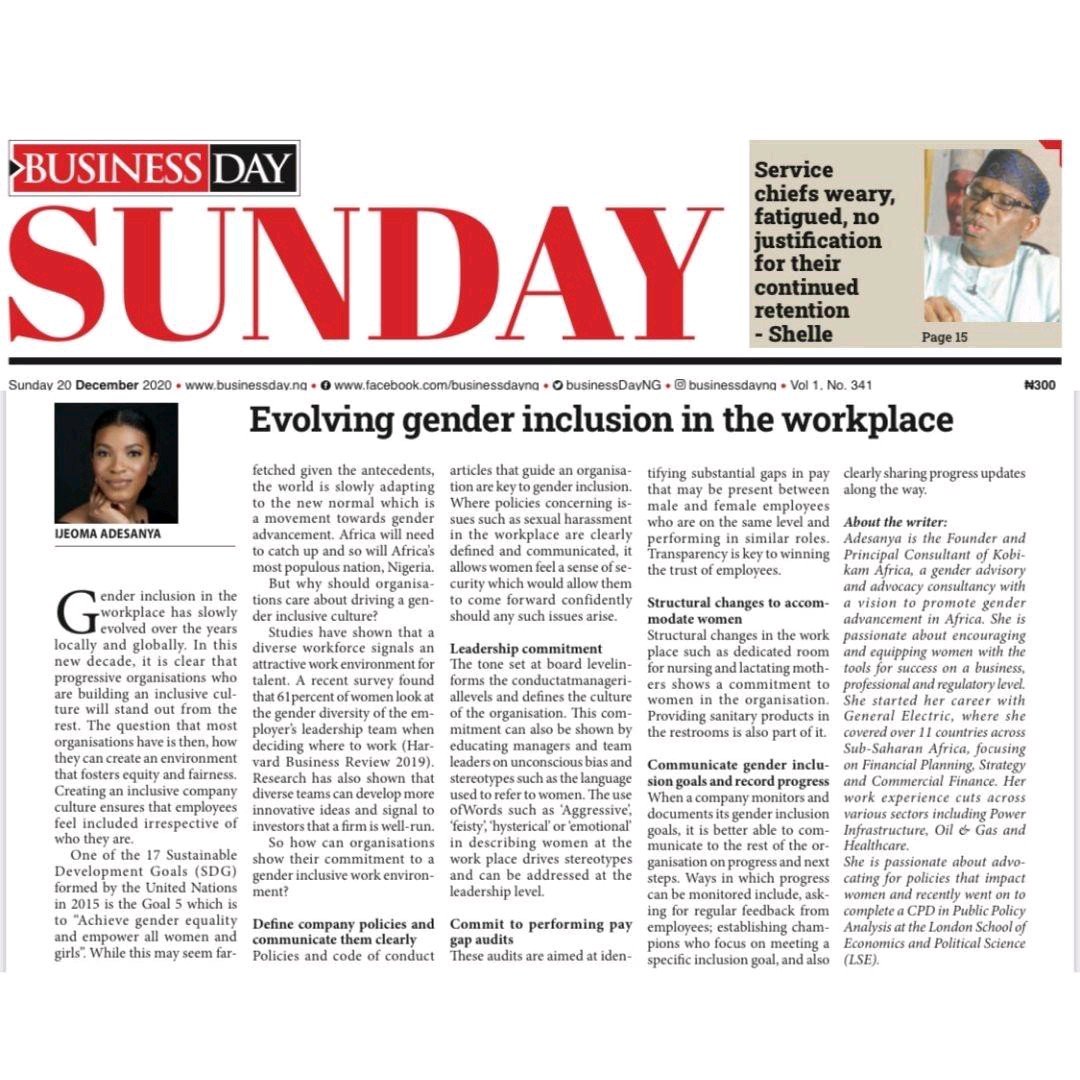
Stories like this remind us why gender inclusion in the workplace is not just a corporate trend but a necessity. For decades, women — and sometimes men — have faced both subtle and obvious barriers that limit their growth at work. The good news? Change is happening, though it’s happening slowly.
At its core, gender inclusion is not about favouring one gender over another. It is about creating an environment where opportunities are based on competence, not stereotypes. When organisations build fair policies and inclusive cultures, employees feel valued, respected, and empowered to do their best work.
Still, gaps remain. Research continues to show that women are underrepresented in leadership positions across industries. Pay differences between men and women persist, even among those performing the same roles. In many workplaces, policies around harassment, promotions, and family support are either unclear or missing — making it harder for employees, particularly women, to thrive.
This is where leadership makes all the difference. Leaders who are intentional about inclusion send a powerful message throughout their organisations. Clear communication, transparent policies, and structural support systems such as mentorship programmes or flexible work arrangements help create workplaces where everyone can succeed. Inclusion must also be reviewed continuously. Regular audits, honest conversations, and a willingness to address gaps ensure progress is not just promised but delivered.
The workplace of the future is undeniably diverse. Organisations that fail to embrace inclusion risk losing their best talent and damaging their reputation. On the other hand, those that lead with fairness and equity will attract loyalty, drive innovation, and build stronger teams.
In the end, gender inclusion is not just a corporate responsibility — it is a human responsibility. When people are valued for who they are and what they bring to the table, everyone wins.
The question every workplace must now answer is simple: Will you build barriers, or will you build bridges?