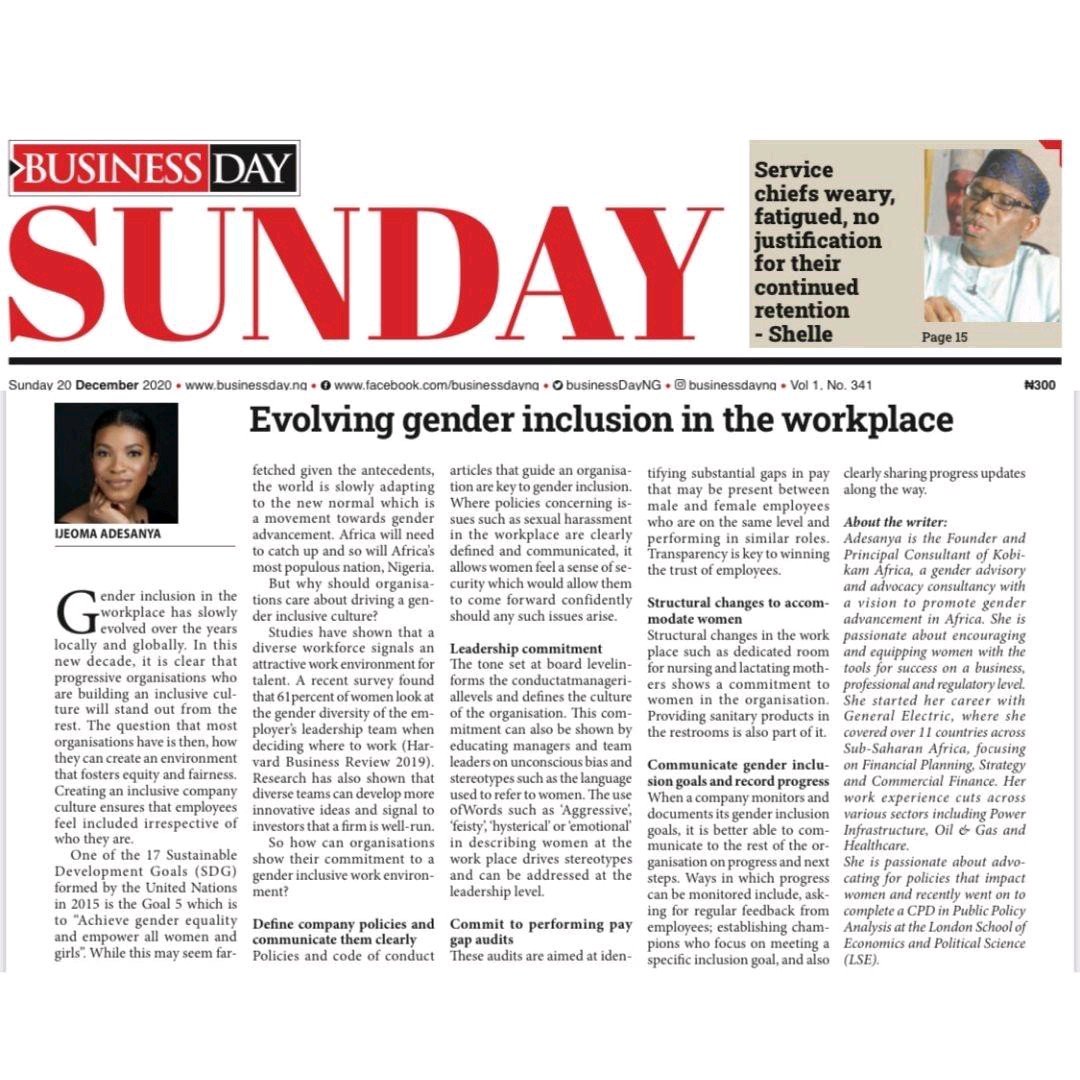
Earlier on in the week, I heard someone highlight the importance of the International Women’s Day theme; hashtag#breakthebias, gender equality today for a sustainable tomorrow. He said that to break something you must know the weapons that are required. We must however acknowledge how intangible a bias is which in turn explains how complex it is to break. However, we must take action if we are to see any results.
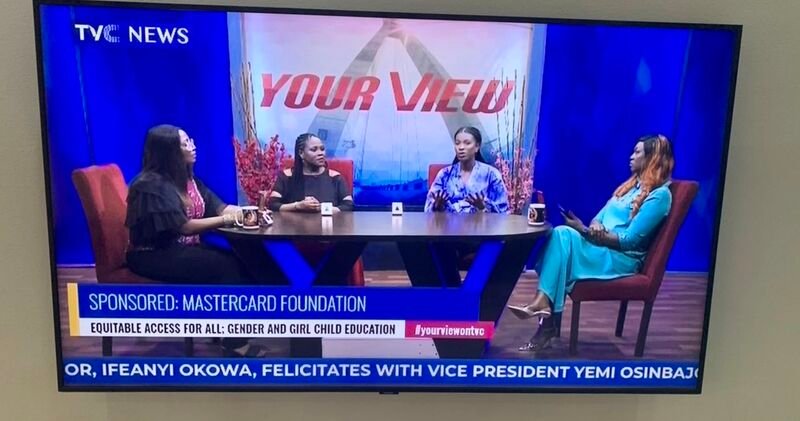
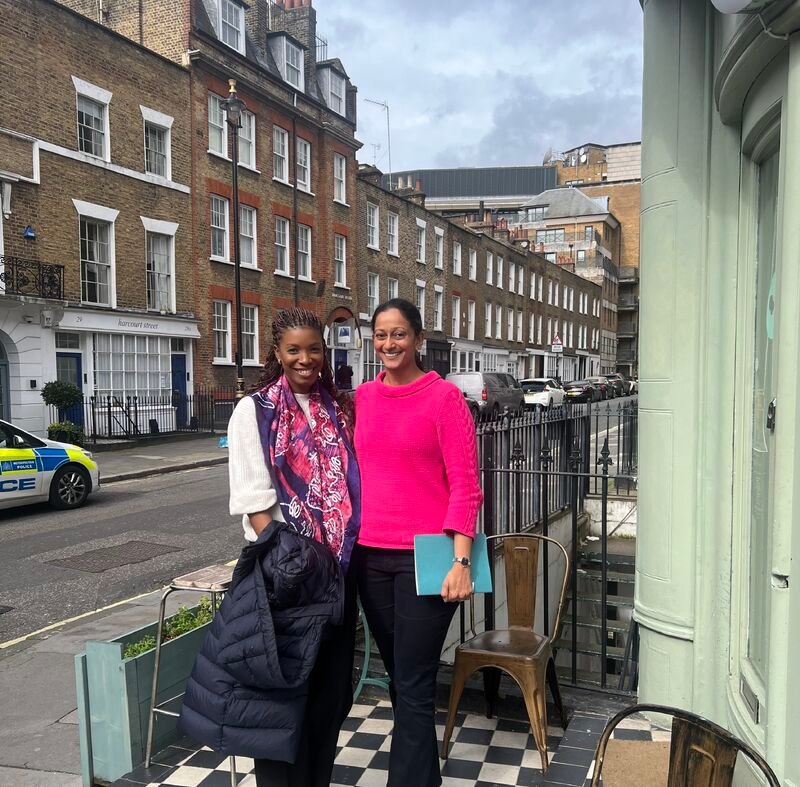
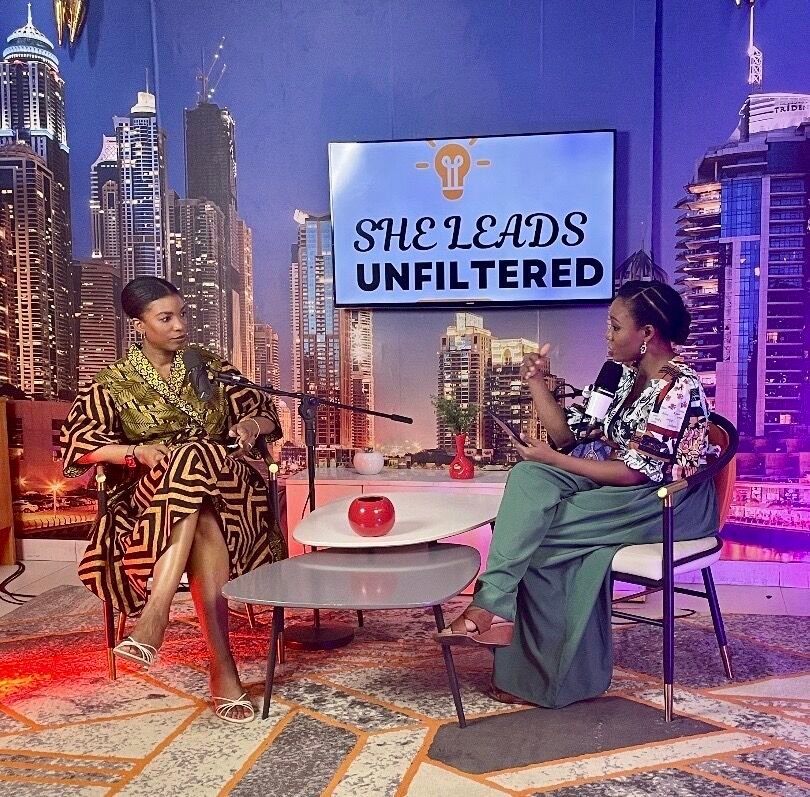
For 2 days, Abosede Alimi and I have spoken to 5 radio stations and 2 TV stations (sponsored by the Mastercard Foundation) about the importance of the secondary education of a girl child to prepare her for the world of work. We have touched on the role of the government and other stakeholders in reforming the educational system in Nigeria to prepare youth for work readiness. We touched on figures that demonstrate only 9% of the youth in Sub-Saharan Africa make it to Tertiary level education; thereby making secondary education extremely important. Through our findings, we were able to address the reasons why young girls are more unlikely to complete secondary school and how the impact of COVID-19 affected a lot of young girls from returning to school due to various reasons including teenage pregnancy. Finally, we were able to come up with solutions and discussed the need to have more technical and vocational education and training programs that prepare youth for 21st century work. Using this as a transitional program for young girls who are not able to complete secondary education will be an effective way to ensure girls are consistently growing educationally.
While we have stakeholders such as NGOs and private sector organizations providing CSR and philanthropic help. Educational reform requires the government to first have a strategy and sustainable path to tackling these issues and then galvanize the other stakeholders to complement its efforts.
For a truly equitable society, we need more young girls transitioning from school (Secondary or Tertiary) into the formal sector and into leadership positions.